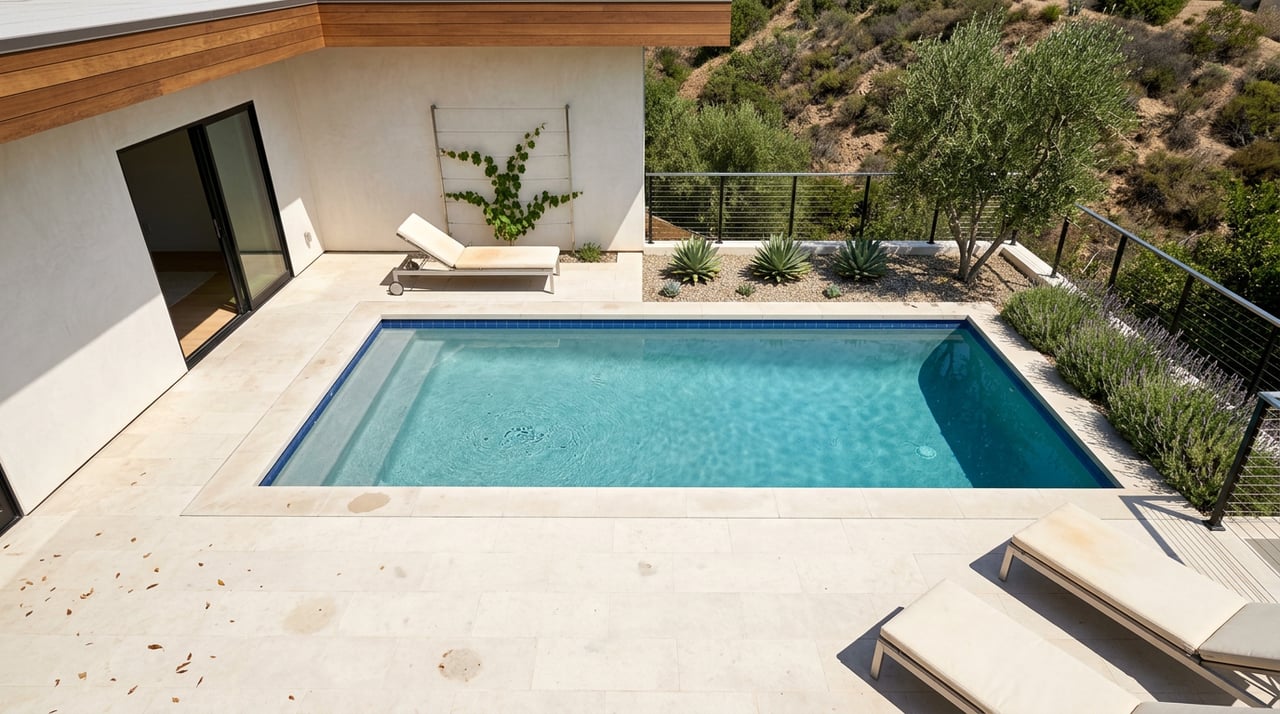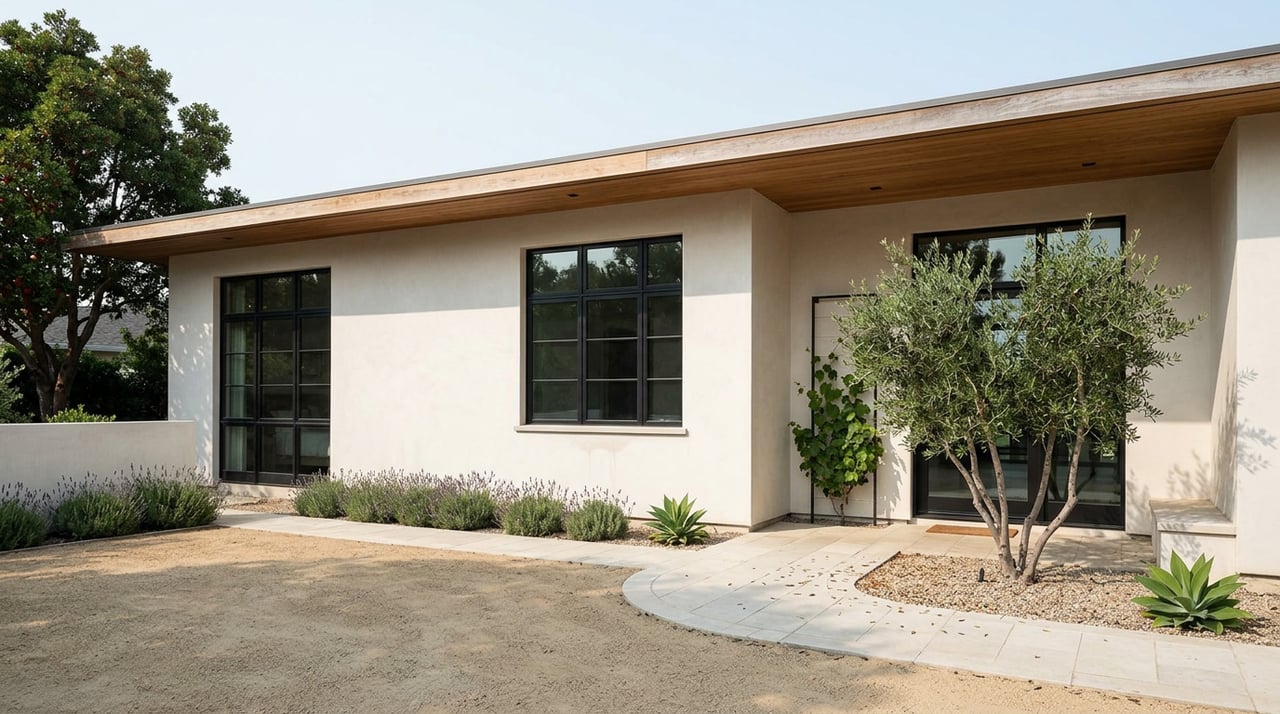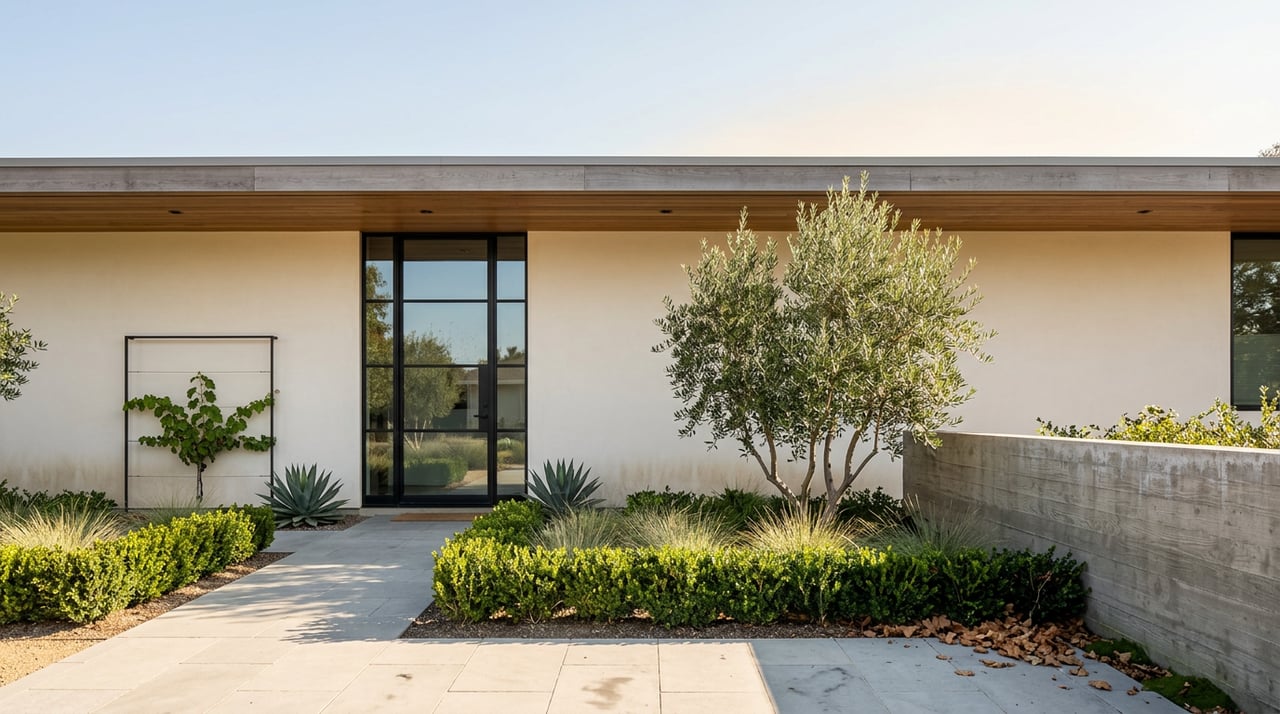
If a home two blocks from yours just closed at full asking price, is that good news for your listing? In most of Windsor right now, the honest answer is: it depends on what "full asking price" actually paid for.
Drive along Cornell Street on the southeast side of town, near Robbins Park, and you will pass Hummingbird Lane, a 24-home community from Christopherson Builders where phase one lots opened for sale this year, timed around a summer 2026 grand opening. Walk a few more blocks and you are back among the resale listings that make up most of Windsor's inventory. Both groups of homes are competing for the same buyers. Only one of them is quietly discounting.
What's actually going up on Cornell Street
Hummingbird Lane is a five-plan community built around two main products so far. Plan 1 is a duet-style home, roughly 1,395 square feet with three bedrooms and two and a half baths. Plan 2 is a detached single-family layout at about 1,942 square feet, same bed and bath count. Pricing for the duets has run in the high $600,000s, with detached plans reaching into the mid-to-high $800,000s, ADU-equipped plans priced from the low-to-mid $900,000s, and future phases expected to land closer to $1.2 million as the community builds out. One duet-style listing was recently marketed at $699,000.
Christopherson is not a stranger to Sonoma County. The company has built more than 7,000 homes across Northern California over 45 years and was inducted into the California Builders Hall of Fame in 2006. Its sister sales arm, which markets Christopherson-built homes directly, has said plainly that with a competitive resale market and few new homes on the ground, building has become an alternative path for a buyer who cannot find what they want on the resale side. That is not an incidental comment. It is the whole strategy stated out loud: intercept the resale buyer before they ever tour your listing.
Hummingbird Lane is one project in a documented wave. Windsor's planning pipeline currently includes a 106-unit apartment approval near the SMART station, a 301-home master plan on the town's east side, and a preliminary application for 368 to 384 apartment flats at the former Windsor Creek Elementary School site on Conde Lane, filed with the town in July 2026 and still working through the entitlement process. Not all of that inventory competes directly with a single-family resale listing, but it tells you something about the direction Windsor is moving. New supply is not a rumor here. It is on file with the town.
The part of the price sheet that never gets discounted
Here is the mechanism that matters for a resale seller. When a builder needs to move inventory in a slower rate environment, the tempting move looks like cutting the sticker price. Builders resist that, because a lower recorded sale price becomes the comp for every future phase, every appraisal, and every buyer who looks up what the house next door actually sold for. So the industry has settled on a different lever: keep the contract price intact and hand the buyer the savings somewhere the county recorder never sees.
That somewhere is usually a mortgage rate buydown. A builder pays upfront to lower a buyer's interest rate for the first year or two, sometimes for the life of the loan, funded through the builder's own capital or a preferred lender relationship. A temporary 2-1 buydown, for example, cuts the rate by two points in year one and one point in year two before it reverts to the full note rate. None of that shows up as a price reduction. It shows up as a lower monthly payment for the buyer and an unchanged sale price in the public record.
The scale of this nationally is not small. The National Association of Home Builders and Wells Fargo's Housing Market Index has shown 63 percent of builders using some form of sales incentive as of July 2026, the sixteenth straight month at 60 percent or higher, with the index itself sitting at 34, below the neutral 50 mark for fifteen consecutive months. John Burns Research and Consulting has tracked combined incentive value, rate buydowns, design credits, and covered closing costs, at roughly 7 to 8 percent of a new home's sale price industry-wide in 2026. PulteGroup reported incentives running 10.9 percent of gross sales price in the first quarter of 2026, against a historical norm closer to 3 to 3.5 percent, which on a $500,000 home works out to about $54,500 in value that never touches the recorded price. The Census Bureau's April 2026 data even showed the median price of a newly built home dip below the median price of an existing home for the first time in five decades, not because construction got cheaper, but because incentives absorbed the difference before the sale ever hit the ledger.
Hummingbird Lane fits the pattern. The community's own marketing has pointed buyers toward builder-paid rate buydowns on select homes, alongside a design studio that lets early reservation holders apply credits toward finish selections. Reserve a lot sooner in a phase and you get more room to negotiate those extras. That is a discount. It is just not one that shows up as a lower number on the settlement statement.
| Incentive type | What it changes for the buyer | What it protects for the builder |
|---|---|---|
| Temporary rate buydown | Lowers the mortgage rate for one to three years | Keeps the recorded contract price at full ask |
| Permanent rate buydown | Lowers the rate for the life of the loan | Same, funded through points paid at closing |
| Design studio credit | Covers finish upgrades chosen before the home is built | Value never appears as a price cut |
| Early-reservation flexibility | More personalization for buyers who commit sooner | Encourages fast absorption of early phase lots |
Why this matters when your resale home gets appraised
An appraiser is trained to adjust for seller concessions, and most will net out an obvious rate buydown when they can identify one in the purchase contract. The trouble is that not every comp arrives with a clearly disclosed concession, and not every agent pulling comps for a listing presentation goes looking for one. If a new-construction closing near your home lands in the MLS at $699,000 with a builder-funded buydown baked in, and your resale home gets priced against that number at face value, you may be pricing against a transaction that was never really worth $699,000 in cash terms. The recorded price and the real cost to the buyer are two different numbers, and only one of them is public.
A rate buydown or closing cost credit lets a builder advertise a lower monthly payment without ever touching the number that becomes tomorrow's comp.
This is not a reason to panic about your home's value. It is a reason to make sure whoever prices your listing is looking past the headline number on nearby new-construction sales and asking what financing structure got the buyer there.
What Windsor resale actually looks like right now
Set against that backdrop, Windsor's established resale market has been remarkably steady through the first half of 2026. Across 78 homes that closed between December 2025 and June 2026, the typical sale landed around $841,500, or about $456 a square foot, with the median holding in the $840,000 to $850,000 range even as the average climbed closer to $920,000 on the strength of a handful of higher-end sales. The entry point in that window was $564,000 and the top was $3,725,000, which means Hummingbird Lane's duet pricing in the high $600,000s sits squarely inside the segment where resale sellers are most likely to feel new-construction pressure directly.
The properties best positioned to compete are not necessarily the cheapest ones. They are the ones that have already done what a builder's design studio does for a new-construction buyer: removed the guesswork. A buyer choosing between a resale home that needs paint, flooring, and staging and a new-construction unit with move-in-ready finishes and a subsidized rate is not comparing two houses. They are comparing two different amounts of work required before move-in. A program like Compass Concierge, which fronts the cost of staging, painting, flooring, and similar pre-sale improvements and is repaid from proceeds at closing, exists to close exactly that gap without asking a seller to write a check before their home is even on the market.
A few questions worth asking before you price
Does a nearby new-construction closing count as a real comp for my home? It can, but only after someone checks whether the recorded price included a rate buydown or credit that effectively lowered what the buyer paid.
Should I offer a rate buydown instead of cutting my price? It is worth modeling both ways. A seller-funded buydown can make a resale home competitive with a builder's financing incentive without permanently lowering the number future comps will point to.
How do I find out if a nearby sale included hidden concessions? Ask your agent to pull the actual purchase contract addenda where available, not just the closed price, before you set your list price against it.
Windsor's new-construction pipeline is not going away this year, and it is not the only project in motion. If you are weighing when and how to list a resale home in Windsor, the Borrall Hodes Team can walk through your specific comps, including the ones that need a second look, and build a pricing and preparation plan around what is actually happening on your street. Book an appointment to talk through your options.