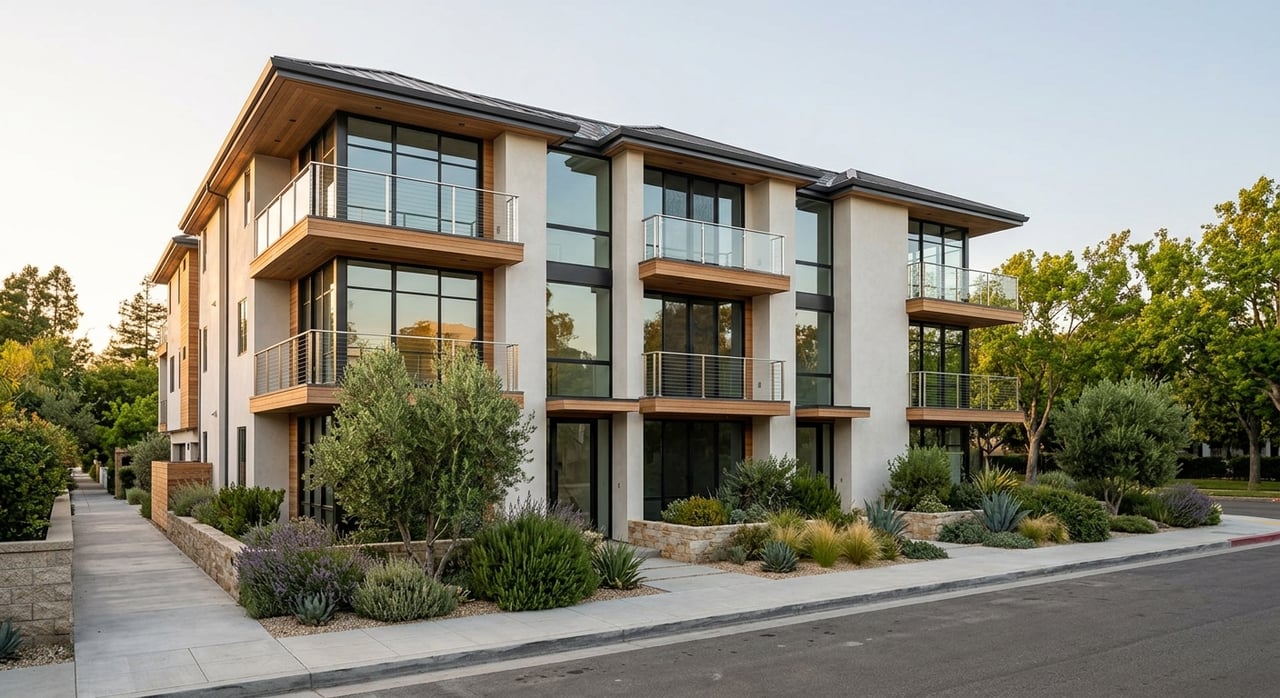
If you are deciding between a townhome and a single-family home in Santa Rosa, you are not alone. Many buyers want the right mix of space, upkeep, privacy, and long-term flexibility, especially in a market where housing options continue to grow and change. The good news is that each option can work well, depending on how you live now and what you want next. Let’s break down the pros and cons so you can make a smart, local decision.
Santa Rosa Housing Choices Are Expanding
Santa Rosa is planning for 5,326 housing units during the 2023 to 2031 period, and the city’s Missing Middle Housing initiative is focused on adding house-scale homes in walkable neighborhoods. That means you are likely to see both detached homes and more compact attached options as you search.
For buyers, this creates more choice. It also means you need to look beyond appearance and understand how a property is actually owned and managed.
Townhome vs Single-Family Home Basics
In California, a condo is a legal ownership form, while a townhome is an architectural style. Two homes may look almost identical from the street, but they can come with different ownership rules, HOA structures, and financing considerations.
That matters in Santa Rosa because some common-interest developments include detached homes, not just attached ones. In other words, a home that looks like a single-family residence can still be part of an HOA-governed community with shared rules and costs.
Why Ownership Structure Matters
Before you focus on looks alone, check the title, CC&Rs, and HOA setup. These documents help show what you own, what the association manages, and what costs or restrictions may come with the property.
This is often the real difference-maker. A home’s layout affects daily life, but the ownership structure affects maintenance duties, fees, and future plans.
Pros of Buying a Townhome in Santa Rosa
Townhomes can be a strong fit if you want a lower-maintenance lifestyle and a location that supports an easier daily routine. In parts of Santa Rosa, attached housing may also line up well with transit access and more walkable areas.
Lower Exterior Maintenance
In many HOA communities, the association handles common area repair and maintenance. Under California Civil Code 4775, owners generally handle their separate interest, while HOA responsibility often covers shared components and repair or replacement of certain exclusive-use common areas.
That can reduce your to-do list compared with a detached home. Still, it does not mean maintenance disappears entirely.
Good Fit for a Busier Lifestyle
Some buyers want a home that feels simpler to manage. If you travel often, work long hours, or just prefer less yard work, a townhome may offer a more practical setup.
In Santa Rosa, this can appeal to local professionals, relocating buyers, and anyone who wants a more lock-and-leave style of ownership.
Transit-Friendly Locations Can Be a Plus
Santa Rosa’s mean travel time to work is 22.9 minutes, and transit access may matter if you want options beyond driving every day. SMART serves Santa Rosa North, Sonoma County Airport, and Santa Rosa Downtown, and the Downtown station sits within a quarter-mile of the Santa Rosa Transit Mall, which is served by multiple bus systems.
Because of that layout, attached housing near downtown or near rail stations may be attractive if you want a more car-light routine. It is not a rule, but it can be a meaningful advantage depending on your schedule.
Cons of Buying a Townhome in Santa Rosa
Townhomes can be convenient, but they also come with tradeoffs that deserve a close look before you buy.
HOA Fees Add to Monthly Cost
HOA budgets can include regular dues and special assessments. If assessments go unpaid, they can become liens, so these costs should be treated as part of your total housing expense from the start.
That is important in Santa Rosa, where Census QuickFacts lists the median monthly owner cost with a mortgage at $2,894. If you add HOA dues on top of your loan payment, your true monthly budget can look very different.
Less Control Over Some Exterior Areas
A townhome may offer private-use areas like a patio, balcony, driveway, windows, or exterior doors, but those spaces can still fall under rules tied to exclusive-use common area. The California Department of Real Estate notes that these areas may be for your use while still being governed by the community structure.
That means a townhome can feel low-maintenance without giving you full freedom to change exterior features whenever you want. If customization matters to you, read the governing documents carefully.
Financing and Resale Can Depend on the Project
For some attached homes, the project itself matters as much as the unit. Fannie Mae notes that lenders review condo, co-op, and PUD projects for eligibility, including issues like financial stability, condition, insurance, litigation, and critical repairs.
This can affect resale later because a project’s financing status may shape how many buyers can qualify. Even if your unit is attractive, the community’s overall status can influence demand.
Pros of Buying a Single-Family Home in Santa Rosa
If you want more control, more privacy, and more room to adapt over time, a single-family home often stands out.
More Privacy and Yard Control
Detached homes usually give you more direct control over exterior upkeep and outdoor areas because the owner commonly holds the entire interest in the lot or unit. That does not guarantee the home has no HOA, but it often provides a different ownership experience than an attached community.
For many buyers, this means more breathing room. It can also mean fewer shared walls and a stronger sense of separation from neighbors.
Better Long-Term Flexibility
Santa Rosa allows ADUs and JADUs on single-family lots. A property with an existing or proposed single-family home may have up to two ADUs plus one JADU, and detached ADUs can be up to 1,200 square feet with a two-story height of 25 to 27 feet depending on type.
That flexibility can matter if you are thinking ahead. You may want space for multigenerational living, a future guest house, or possible rental income potential allowed under local rules.
More Room for Future Changes
A detached lot often gives you a clearer path for expansion or property changes over time. By comparison, attached housing flexibility can depend more heavily on the development form and HOA documents.
If long-range planning matters to you, a single-family home may better support those goals. This is especially true if you want the option to add living space later.
Cons of Buying a Single-Family Home in Santa Rosa
Single-family homes offer freedom, but they also place more responsibility on you.
More Maintenance Is Usually Your Job
When you own a detached home, you typically take on more exterior maintenance directly. That can include the yard, roof, exterior surfaces, and other outdoor elements, depending on the property and any HOA structure.
If you enjoy hands-on ownership, this may feel like a benefit. If not, it can become a time and cost factor you should plan for.
Purchase Price Can Be Higher
Santa Rosa’s median value of owner-occupied housing is $713,900, according to Census QuickFacts. While actual listing prices vary by neighborhood, size, and condition, detached homes often command a premium compared with more compact attached options.
That can make a townhome a more accessible entry point for some buyers. It depends on your budget, financing, and what tradeoffs you are willing to make.
How to Choose the Right Fit for You
The better choice usually comes down to how you want to live, not which property type is better on paper. Start with your daily routine, your budget, and your five-year plan.
Here are a few questions to ask yourself:
- Do you want less exterior upkeep?
- How important is private outdoor space?
- Would HOA dues strain your monthly budget?
- Do you want future ADU options on your property?
- Is transit access or a more central location important to you?
- How much control do you want over exterior changes and maintenance?
A Simple Way to Think About It
If you value lower exterior maintenance, simpler day-to-day ownership, and possibly easier access to downtown or transit, a townhome may be the stronger match.
If you value privacy, yard control, and more long-term flexibility for additions or ADUs, a single-family home may serve you better.
Why Local Guidance Matters in Santa Rosa
Two Santa Rosa homes can look similar online but come with very different ownership rules, HOA obligations, and future potential. That is why local guidance matters before you make an offer.
A careful review of title details, HOA documents, and local property options can help you avoid surprises and focus on the homes that truly fit your goals. If you want help comparing attached and detached homes in Santa Rosa, the team at Borrall Homes can help you sort through the details and book the right next step.
FAQs
What is the difference between a townhome and a condo in Santa Rosa?
- In California, a condo is a legal ownership form, while a townhome is an architectural style, so two similar homes in Santa Rosa can have different ownership and HOA rules.
Do Santa Rosa townhomes always have HOA fees?
- Many townhomes in common-interest developments have HOA dues and may also have special assessments, so you should review the budget and monthly costs before buying.
Are single-family homes in Santa Rosa better for ADUs?
- Santa Rosa allows ADUs and JADUs on single-family lots, and these properties often offer more flexibility for future expansion than attached communities.
Is a townhome in Santa Rosa lower maintenance than a single-family home?
- Often yes, but not completely, because HOA communities may handle some shared maintenance while you still remain responsible for parts of the property.
Can financing be different for Santa Rosa townhomes?
- Yes, because some attached homes are affected by project-level lending standards, which can influence financing and later resale options.