Buying your first home in Windsor can feel exciting and a little overwhelming. You want the right neighborhood, a clear budget, and a smooth path from offer to keys. This guide gives you a practical, step-by-step plan tailored to Windsor and Sonoma County so you know what to expect, what to budget, and how to move confidently. Let’s dive in.
Why buy in Windsor
Windsor offers small-town charm with North Bay convenience. You’ll find a lively downtown centered on Town Green, plus parks, dining, and community events that make it easy to plug in. Explore local amenities and services through the Town of Windsor’s official site.
If schools are part of your decision, review attendance zones and enrollment details directly with the Windsor Unified School District. Neighborhoods near Town Green appeal to buyers who value walkability and community events, while areas a few blocks out often offer quieter streets and larger lots. Newer subdivisions on the town’s perimeter may include homeowners’ associations, landscaped common areas, and proximity to commuter corridors.
Step-by-step: your path to keys
Get pre-approved and set budget
Start with a lender pre-approval. It shows sellers you’re serious and clarifies your price range based on debt, income, and credit. First-time buyers often consider Conventional, FHA, VA, or state-assisted options through the California Housing Finance Agency (CalHFA).
Plan for more than the down payment. Closing costs are typically about 2% to 5% of the purchase price. For a plain-language overview of fees, see the CFPB’s guide to closing costs. Also budget for reserves, moving expenses, and immediate maintenance.
Property taxes in Sonoma County are generally 1% of assessed value plus local assessments. Effective rates vary by parcel. Review parcel-specific history and bills through the Sonoma County Assessor and Tax Collector resources.
Start your search the smart way
Set up MLS alerts and tour homes quickly when new listings hit. Drive the area at different times of day to understand traffic, noise, and commute patterns. If a property has an HOA, ask for rules, fees, and financials early in the process since they affect monthly costs and loan approval.
Write a strong offer
Your agent will help you frame price, terms, and timelines. Expect to include an earnest money deposit, usually due into escrow within 1 to 3 business days of acceptance. Contingency periods for inspections, appraisal, and loan approval are negotiated in the offer. Shorter timelines can be competitive but increase risk, so balance speed with due diligence.
Inspections and due diligence
Inspection contingency windows typically range from 5 to 17 days in Sonoma County, with 10 days common. Within that period, you should:
- Order a general home inspection.
- Add specialty inspections as needed: roof, pest, sewer scope, chimney, HVAC, foundation, pool, or septic.
- Review the Natural Hazard Disclosure and confirm fire and flood exposure using CalFire’s hazard severity maps and FEMA flood maps.
After inspections, you can request repairs or credits. If significant issues arise, you can usually cancel within the contingency period and recover your deposit per the contract.
Appraisal and loan approval
Your lender orders the appraisal after acceptance. Turnaround often runs 7 to 14 days. If the valuation comes in below the purchase price, you and the seller can renegotiate, or you can bring in additional cash. Underwriting progresses in parallel and typically takes 2 to 6 weeks, depending on documentation.
Escrow and closing in Sonoma County
Escrow opens shortly after acceptance and holds your deposit while the team coordinates title, disclosures, and loan docs. A 30-day escrow is common for financed purchases, though 30 to 45 days is typical. You’ll receive a preliminary title report, and your lender will require lender’s title insurance. Owner’s title insurance is recommended.
Customs for splitting escrow and title fees vary by contract. Recording happens with the county, and keys are delivered per instructions after funding and recordation. For recording timelines and deed info, refer to the Sonoma County Recorder.
Local due diligence: wildfire, flood, utilities
Wildfire risk is part of Sonoma County living. Review hazard zones using CalFire, confirm insurance availability and premiums early, and consider home-hardening steps. Be aware that Public Safety Power Shutoffs have occurred in the region, so plan for resilience if you rely on home offices or medical equipment.
Flood risk varies by micro-area. Check zoning on FEMA’s Map Service Center. If a home is in a high-risk zone, your lender may require flood insurance. Earthquake risk is statewide, so ask inspectors about retrofitting and consider a separate earthquake policy.
In Windsor, many homes connect to municipal water and sewer, but always verify service and connection details through the Town of Windsor. If the home has an HOA, review CC&Rs, dues, reserves, and upcoming assessments before removing contingencies.
Neighborhood snapshots near Town Green
- Town Green and Downtown: Walkable access to parks, seasonal events, dining, and shops. A fit if you value community activities and easy errands.
- Adjacent residential blocks: Mix of single-family homes and some attached housing within reach of schools and downtown amenities.
- East and south corridors: Typically quieter streets and slightly larger lots a few blocks from the core, with access to schools and newer subdivisions.
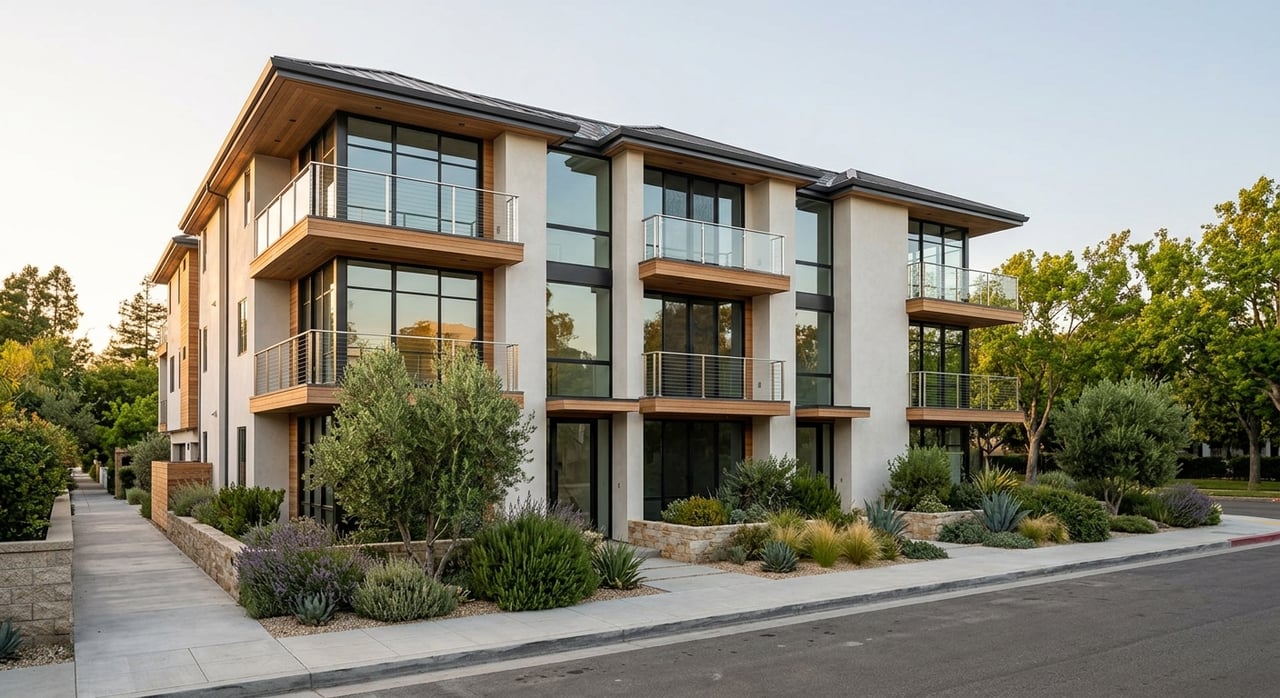
- Newer subdivisions near the perimeter and Shiloh Road: Often newer construction and potential HOAs. Verify HOA rules, pet policies, parking, and amenity costs.
For school zoning and enrollment processes, consult the Windsor Unified School District. For current market context, you can review county-level trends via the Sonoma County Association of REALTORS market reports.
Sample 30-day escrow timeline
- Day 0: Offer accepted; escrow opens; earnest money deposited.
- Days 1–3: General and specialty inspections ordered; lender orders appraisal.
- Days 5–10: Inspection window; review seller disclosures and HOA docs.
- Days 7–17: Appraisal typically returns; underwriting continues.
- Days 17–25: Contingency removals; satisfy final loan conditions; secure homeowner’s insurance.
- Day 30: Loan funds; deed records; keys per escrow instructions.
Timelines can extend if HOA documents, title items, or insurance underwriting need more time.
Buyer checklist for Windsor
- Get a lender pre-approval and review your Loan Estimate.
- Set a complete budget: down payment, closing costs, reserves, and monthly PITI plus HOA if applicable.
- Choose a local REALTOR who knows Windsor micro-neighborhoods and escrow practices.
- Tour homes and drive neighborhoods at different times of day.
- When under contract:
- Deposit earnest money on time.
- Order a general inspection and needed specialty inspections.
- Review the TDS, NHD, HOA documents, and preliminary title report.
- Stay responsive with your lender to avoid delays.
- Shop homeowner’s insurance early and confirm wildfire coverage.
- Do a final walk-through 24–48 hours before closing.
- Arrange utility transfers, keys, and move logistics.
Contingencies to protect your purchase
- Inspection contingency: Time to investigate property condition.
- Appraisal contingency: Protects you if value comes in low.
- Loan contingency: Time for underwriting and final approval.
- Title contingency: Time to clear title issues.
- Sale-of-home contingency: If you must sell a home to buy.
Stay current on market trends
Prices and inventory shift, sometimes quickly. For a live read on county-level trends, review the Sonoma County Association of REALTORS market reports. Your agent can pair this with hyperlocal comps to guide offer strategy and negotiation.
Ready to take the next step?
If you want a calm, expert partner from pre-approval to closing, we’re here to help you navigate Windsor with confidence. Reach out to the Borrall Hodes Team to talk timelines, neighborhoods, and your first-home plan.
FAQs
What should first-time buyers budget for in Windsor?
- Plan for down payment, closing costs of about 2% to 5%, initial maintenance, homeowner’s insurance, and property taxes near 1% plus local assessments.
How long does escrow usually take in Sonoma County?
- A 30-day escrow is common for financed purchases, with 30 to 45 days typical depending on lender, appraisal, and HOA or title review.
What inspections are standard in Windsor?
- A general home inspection is standard, with add-ons like pest, roof, sewer scope, chimney, HVAC, foundation, pool, or septic based on the property.
How do I check wildfire and flood risk for a property?
- Review the NHD, check CalFire’s hazard maps, and confirm the FEMA flood zone using FEMA’s Map Service Center.
Where do I find property tax and recording information?
- See parcel tax history through the Sonoma County Assessor and Tax Collector and recording details with the Sonoma County Recorder.
How do I research school boundaries in Windsor?
- Verify attendance zones and enrollment steps directly with the Windsor Unified School District.