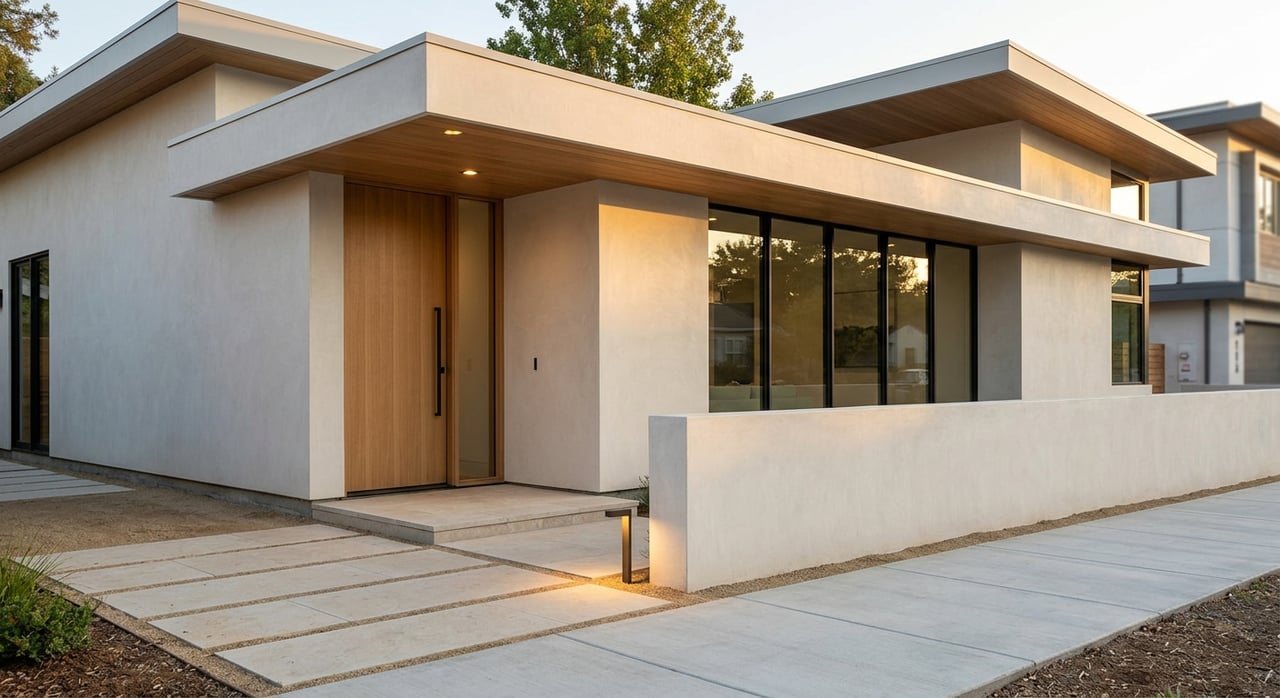
Trying to choose between an in-town Healdsburg home and a vineyard estate? You are not just picking a house. You are choosing a daily rhythm, a level of privacy, and how much land and infrastructure you want to manage. If you are weighing walkability against acreage, or convenience against a more hands-on property, this guide will help you sort through the tradeoffs and focus on what fits your life best. Let’s dive in.
Healdsburg offers two distinct lifestyles
Healdsburg is a compact city of about 11,254 residents within roughly 4.1 square miles. At its center is the Spanish-style Plaza, which the city describes as a hub for shopping, dining, and art galleries. The city also notes that about 60 wineries surround Healdsburg, which helps explain why buyers are often drawn to both downtown living and larger rural parcels.
For many buyers, the real decision is not “town or country” in a general sense. It is whether you want a convenience-first property inside city limits or a land-focused property outside town where zoning, utilities, and maintenance can look very different.
Why buyers choose in-town Healdsburg
Living in town usually appeals to buyers who want a more connected, lower-maintenance lifestyle. The Plaza functions as the heart of downtown, with shaded lawns, a gazebo, concerts, farmers markets, and community events such as Tuesdays in the Plaza. Many restaurants, lodging options, tasting rooms, and recreation spots are within walking distance or a short drive.
If you enjoy being able to step out for dinner, browse shops, or take part in local events without a long drive, in-town living has a clear advantage. For a primary residence, second home, or lock-and-leave option, that ease can be a major benefit.
Walkability is a major advantage
One of the strongest reasons to buy near the Plaza is simple: convenience. You can be close to dining, events, parks, tasting rooms, and the general energy of downtown Healdsburg. That creates a lifestyle that feels active and accessible.
This does not mean every in-town home is the same. City zoning includes compact downtown residential areas as well as single-family districts with minimum lot sizes ranging from 3,500 to 40,000 square feet. In practical terms, your search can include smaller infill homes, traditional neighborhood properties, and some larger city-lot homes, all within a more compact setting than a rural estate.
City services can simplify ownership
Within city limits, Healdsburg provides police, fire, electrical, water, and sewer services. That matters because it can reduce the number of private systems you need to manage as an owner. Instead of focusing on wells or septic systems, you are more likely to focus on home upkeep, landscaping, parking, and any permits needed for remodels or additions.
For many buyers, this is the biggest quality-of-life difference. You may have less land, but you also have fewer moving parts behind the scenes.
Downtown living comes with more activity
The tradeoff for being near the Plaza is that you are living in a more active environment. Downtown zoning supports a mixed-use pattern that can include restaurants, tasting rooms, retail, lodging, and residential uses in certain districts. That can make the area vibrant, but it can also mean more activity, more parking logistics, and less privacy than you might find on acreage.
If you love energy and access, that may feel like a plus. If you want quiet separation and room to spread out, it may push you toward a different type of property.
Why buyers choose a vineyard estate
A vineyard estate or rural parcel usually attracts buyers who want space, privacy, and a stronger connection to the land. Outside the city, you are typically looking at Sonoma County zoning, including agricultural and resource zones such as LIA, LEA, DA, and RRD. The county says these zones are intended to protect agricultural land and natural-resource or open-space areas.
That makes rural property a very different ownership experience. You are often not just buying a home. You are buying acreage, systems, and rules that shape what the property can become over time.
Land and agricultural potential matter more
County agricultural zoning is built around farming first. Crop production and cultivation are permitted, and some agricultural support or processing uses may also be allowed under county standards. If your vision includes vines, orchards, farm structures, or simply owning land with agricultural potential, a vineyard estate search is usually the better fit.
Sonoma County also has an agricultural building permit exemption for certain structures on parcels of five acres or more when an agricultural use already exists on the property. While every property needs case-by-case review, this is a good signal that larger rural parcels operate under a different framework than in-town homes.
Privacy often increases, but so does complexity
Many buyers are drawn to rural Healdsburg for the privacy and separation from town activity. Hillside and valley parcels can offer a sense of scale and quiet that is hard to find closer to the Plaza. If your priority is room to entertain, enjoy open views, or simply have more distance between you and your neighbors, an estate property may feel like the right match.
But more land usually means more responsibility. The decision is less about luxury versus non-luxury and more about how much work and oversight you want to take on as an owner.
Rural ownership requires deeper due diligence
One of the biggest differences with a vineyard estate is infrastructure. On rural parcels, buyers should verify water and wastewater early in the process. Permit Sonoma states that property owners must obtain permits to drill, deepen, or abandon groundwater wells, and county septic guidance says homeowners must use septic systems where public sewer is not available.
That means a rural property search should include practical questions right away. How is water supplied? Is there an existing well? Is there a septic system? What permits or updates may be needed? These are not small details. They shape both usability and long-term ownership costs.
Well rules need extra attention
Permit Sonoma’s well ordinance update page notes that well permitting has been affected by court-related changes and a temporary stay for certain non-emergency well permits. In plain terms, you should not assume a new or replacement well can be approved without checking the current status. This is an active due-diligence issue in Sonoma County.
For buyers comparing town and country, this is often the moment the choice becomes clearer. A beautiful rural property may still be the right fit, but it calls for a more detailed review before you move forward.
Fire preparation is part of rural life
Wildfire planning is also a routine part of owning many hillside and valley properties in Sonoma County. CAL FIRE says 100 feet of defensible space is required by law, and its guidance explains that slope, vegetation spacing, and fuel reduction all matter. On steeper sites, spacing requirements increase.
Sonoma County Regional Parks also notes that wildfire is increasingly common in the county and that prevention and preparation are a primary goal. So if you are considering an estate property, fire-safe landscaping and brush clearance should be part of your thinking from day one.
Compare the day-to-day ownership experience
The easiest way to make this decision is to picture a normal week, not just a showing day. What do you want your routine to feel like? How much property management fits your schedule and priorities?
Here is a simple side-by-side view:
| Consideration | In-Town Healdsburg | Vineyard Estate |
|---|---|---|
| Daily lifestyle | Walkable, active, close to downtown events and dining | Private, spacious, more separated from town activity |
| Lot pattern | Generally more compact | Usually larger acreage or low-density parcels |
| Utilities | City water and sewer, plus city services | Often private well and septic |
| Maintenance | More focused on the house, yard, parking, permits | More focused on land, systems, brush, grading, permits |
| Zoning context | City zoning, design review, mixed-use influence in some areas | County agricultural or rural zoning |
| Best fit for | Convenience-first buyers | Land-focused buyers |
Neither option is better across the board. The right answer depends on which tradeoffs feel easy for you and which ones feel like a burden.
Questions to ask before choosing
If you are still deciding, these questions can help narrow your search:
- Do you want to walk to restaurants, events, parks, or tasting rooms?
- Do you want acreage, privacy, or agricultural potential?
- Are you comfortable managing private systems such as wells and septic?
- Would you rather spend time enjoying town access or maintaining a larger property?
- Is this purchase meant to be a primary residence, second home, or future project?
- Are you prepared to review zoning and permit issues early, especially for rural land?
Your answers will usually point in one direction pretty quickly. Buyers who prioritize ease and access often lean toward in-town homes. Buyers who prioritize land, separation, and agricultural use often lean toward vineyard estates.
How to make the right Healdsburg choice
If you are choosing between these two property types, try not to decide based on romance alone. A vineyard view can be compelling, and so can the charm of living near the Plaza. But the better question is which setting supports the way you actually want to live.
In-town Healdsburg usually works best if you want a simpler ownership experience, city services, and a lifestyle built around access. A vineyard estate usually makes more sense if you want space, privacy, and land use possibilities, and you are comfortable with the extra due diligence and maintenance that come with them.
The good news is that both paths can offer an exceptional Healdsburg lifestyle. You just want to be sure the property you choose matches your pace, priorities, and appetite for hands-on ownership.
Whether you are leaning toward a walkable in-town home or a more complex vineyard parcel, working with a local team can help you evaluate the tradeoffs clearly and avoid surprises. If you want guidance tailored to your goals in Healdsburg, Borrall Homes is here to help.
FAQs
What is the main difference between in-town Healdsburg and a vineyard estate?
- In-town Healdsburg usually offers more walkability, city services, and a simpler maintenance profile, while a vineyard estate usually offers more land, privacy, and agricultural potential with added infrastructure and permit considerations.
What are the benefits of living near the Healdsburg Plaza?
- Living near the Plaza can put you closer to restaurants, tasting rooms, community events, farmers markets, parks, and other downtown destinations within walking distance or a short drive.
What should buyers check on a rural Healdsburg property?
- Buyers should review zoning, water supply, well status, septic needs, defensible space requirements, slope conditions, and whether any permits may be needed for current or future property use.
Are utilities different for in-town Healdsburg homes and rural estates?
- Yes. In-town homes are generally served by city utilities, while rural properties may rely on private systems such as wells and septic.
Is a vineyard estate in Healdsburg harder to maintain?
- It often can be, because rural ownership may involve managing more land, brush clearance, fire-safe landscaping, wells, septic systems, grading, and county permit requirements.
Which Healdsburg property type is better for a second home?
- That depends on your goals, but buyers who want a more turnkey, convenience-first experience often prefer in-town properties, while buyers who want privacy and land may prefer a rural estate if they are comfortable with more oversight.