Thinking about using a Santa Rosa home to help pay for itself? You are not alone. For many buyers, house hacking and ADU planning can make homeownership feel more workable, but the details matter, especially in Santa Rosa where zoning, permit history, and parcel layout can change what is actually possible. In this guide, you will learn how house hacking works locally, what kinds of ADU strategies may fit, and what to check before you buy or build. Let’s dive in.
What house hacking means in Santa Rosa
House hacking usually means living in one part of a property while using another legal unit to generate rental income. In Santa Rosa, that often points buyers toward homes with an existing ADU, homes with room to add an ADU, or certain single-family properties that may qualify for a two-unit strategy under SB 9.
The key is that Santa Rosa is parcel-specific. The city measures residential density by units per gross acre, and zoning plays a major role in what can be added to a property. That means the listing description is only a starting point, not proof of what you can do.
Why ADUs are a major strategy
ADUs are one of the most practical house hacking tools in Santa Rosa because the city allows them in addition to the density already permitted by the General Plan and Zoning Code. On a single-family lot with an existing or proposed single-family home, Santa Rosa says you may have up to two ADUs plus one JADU.
On multifamily lots, the rules are different and can allow a mix of converted, detached, and attached ADUs depending on the existing building and project type. Because of those differences, the best strategy often depends on whether you are buying a single-family home, a multifamily property, or a parcel in a mixed-use area.
ADU vs. JADU in simple terms
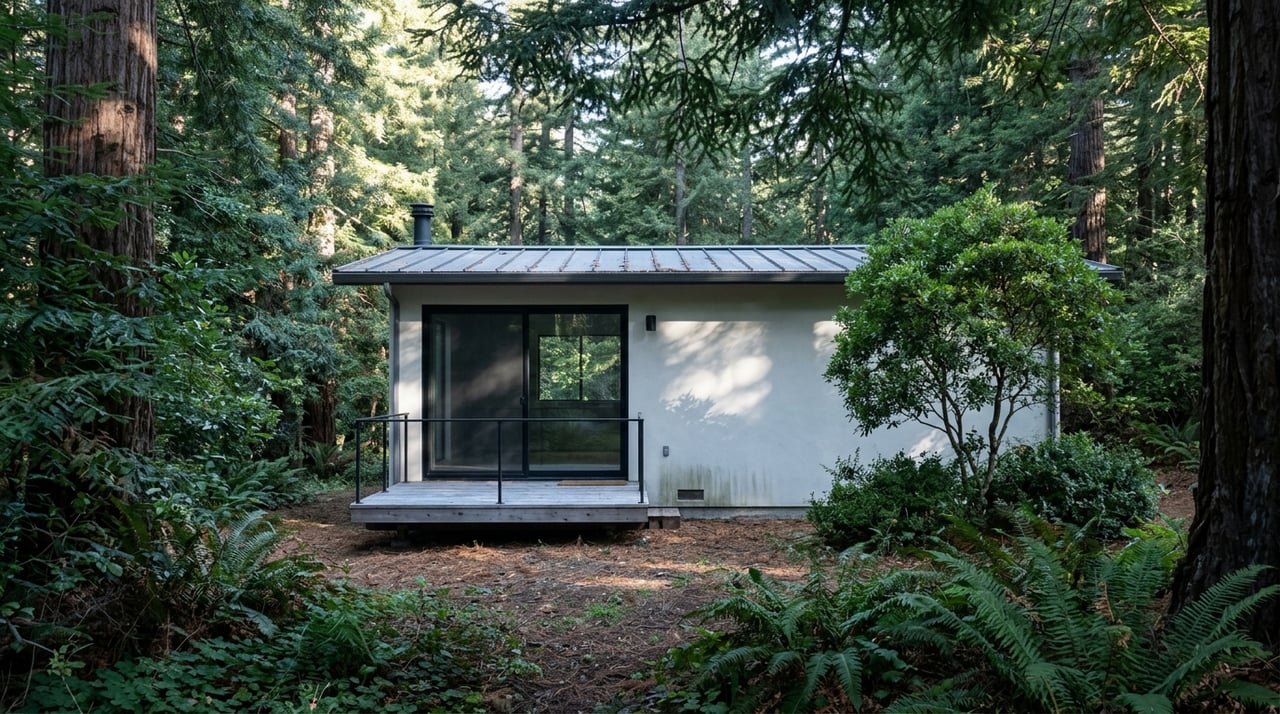
An ADU is a secondary housing unit on the same property as a primary home. A JADU, or junior accessory dwelling unit, is typically a smaller unit created within the walls of an existing or proposed single-family home.
Santa Rosa notes a few important differences. Owner occupancy is not required for an ADU, while a JADU may require owner occupancy in some cases. The city also says rental units must include both a stove and a refrigerator.
Why buyers like ADUs
A legal ADU can create flexibility. You might live in the main home and rent the ADU, live in the ADU and use the main home differently, or buy a property with an existing second unit that supports your budget.
There can also be financing benefits. Fannie Mae and Freddie Mac both say ADUs can be financed through eligible mortgage programs, and rental income from an existing ADU may be used to help a borrower qualify when lender requirements are met.
What property types to watch
If you are shopping for house hacking potential in Santa Rosa, not every property will offer the same path. The strongest candidates often fall into a few categories.
Single-family homes with space for an ADU
These are often the first place buyers look. A lot with usable side yard or backyard space may offer room for a detached ADU, while a garage or existing interior area may work for a conversion.
Santa Rosa still applies objective standards like setbacks, utility considerations, and fire-safety review in some cases. So even when a lot looks large enough, feasibility still depends on the parcel details.
Homes with existing second units
An existing ADU can be appealing because the unit may already be built and potentially rentable. But buyers should never assume the second unit is legal just because it is advertised that way.
Santa Rosa requires ADUs to go through a building permit process and final inspection before occupancy. The city also says some unpermitted units built before March 3, 2020 may qualify for a five-year enforcement deferral program, which makes permit history especially important during due diligence.
Single-family lots that may qualify for SB 9
For some buyers, an SB 9 strategy may open the door to a two-unit development or lot split on qualifying single-family parcels in urbanized areas. Santa Rosa’s SB 9 checklist identifies several single-family zoning districts where this may be relevant, including RR-40, RR-20, R-1-15, R-1-9, R-1-7.5, R-1-6, and Single Family Planned Developments.
This can be useful for duplex-style thinking, but it is not automatic. Eligibility still depends on objective standards and the specific parcel.
Parcels in Missing Middle areas
Santa Rosa adopted Missing Middle Housing standards in 2025 as a non-mandatory bonus program for house-scale buildings with multiple units in walkable neighborhoods. The city says these projects are generally no more than 2.5 stories, use limited rear parking, and include shared open space.
This may not fit every buyer, but it shows that Santa Rosa is expanding options beyond the traditional single-family pattern in certain parts of the city. If you are open to a small-scale multi-unit format, this is worth discussing during your property search.
How ADU approvals work in Santa Rosa
One reason ADUs are attractive is that the city approves them through a building permit process rather than a discretionary land-use hearing. That creates a more predictable path when a property meets the objective standards.
Santa Rosa says a complete ADU application is reviewed for completeness within 15 business days. After the application is complete, the city says a decision is issued within 60 calendar days.
What the city typically requires
A complete application generally includes:
- Site plan
- Floor plan
- Foundation plan
- Interior cross sections
- Construction details
- Elevations for new structures
- Soils report
- CalGreen checklist
After construction, Santa Rosa requires final inspection before the ADU can be occupied. If you are buying with plans to build later, that timeline is important to factor into your budget and expectations.
Costs, fees, and parking rules to know
The economics of house hacking often come down to the local details. Santa Rosa offers a few rules that can make smaller ADU projects more attractive.
The city says no impact fees are charged for ADUs under 750 square feet and for conversion ADUs. It also says reduced fees apply to larger units, and no separate utility connection fees apply to internal conversions under 750 square feet.
Parking may be easier than you expect
Parking is not always required. Santa Rosa says parking is sometimes required for new detached ADUs, but not for JADUs or conversion ADUs.
The city also lists several parking exemptions, including:
- ADUs that are 750 square feet or smaller
- ADUs within existing structures
- Properties near transit
- Historic districts
- Parcels without on-street permit availability
- Parcels near car-share
For buyers comparing properties, location near transit can make a real difference in how flexible a house hacking plan may be.
Setbacks and sprinklers can affect feasibility
Santa Rosa says ADUs generally follow separate setback standards, typically four feet on the side and rear. Front setbacks can sometimes be flexible if needed to fit an ADU.
The city also notes that some ADUs may require sprinklers depending on fire access, hydrant distance, or whether the unit sits above a garage or similar structure. These details can change both design and cost, so they should be reviewed early.
How to evaluate a Santa Rosa listing
If you want a property that can produce rental income, your review needs to go beyond photos and square footage. In Santa Rosa, the parcel tells the story.
Start with zoning and parcel status. The city says at least one housing unit may be built on each existing legal residential parcel, but zoning district, General Plan designation, and any Planned Development rules all matter.
A practical buyer checklist
When reviewing a Santa Rosa home for house hacking potential, focus on these items:
- Confirm the zoning district
- Check whether the parcel is in a Planned Development area
- Verify permit history for any existing second unit
- Confirm final inspections for existing ADUs
- Look at side yard depth and backyard access
- Ask about easements and utility routing
- Review whether parking exemptions may apply
- Ask your lender what rental income documentation it will require
In many cases, properties with deeper side yards, rear access, fewer easement conflicts, and simpler utility routing may be easier to work with. Those factors do not guarantee approval, but they can make the path smoother.
Financing an ADU or house hacking plan
Financing is where a good idea becomes a real plan. If you are already a homeowner, a home equity loan or HELOC may be one way to fund an ADU project.
The CFPB explains the difference clearly. A home equity loan gives you a lump sum, while a HELOC works like a revolving line of credit. Both are second mortgages if you already have a first mortgage.
For buyers purchasing a property, Fannie Mae says ADUs can be financed with standard purchase or refinance loans, renovation financing, or construction financing. Freddie Mac also says ADUs can be financed through its mortgage offerings.
Rental income usually needs documentation
If you hope to use ADU income to help qualify, do not assume projected rent alone will be enough. Fannie Mae’s guidance says rental income documentation may include a lease agreement, Schedule E, or market-rent evidence.
That is why early lender conversations matter. If your budget depends on rental income, ask exactly what documentation the lender will accept for that property and unit.
Do property taxes change after you build?
In many cases, yes. Sonoma County says new construction or a change in ownership can trigger a supplemental assessment and supplemental property tax bill.
For ADU projects, that means added square footage or a new second unit may increase the assessed value of the reassessed portion. If you are running numbers on a future build, it is smart to include the possibility of higher property taxes after completion.
What this means for resale later
A permitted, rentable ADU can add more than monthly flexibility. It may also make your property attractive to future buyers who want the same kind of income potential.
Because some lenders allow eligible borrowers to use ADU rental income to help qualify, a legal ADU may broaden the financed buyer pool at resale. That is one reason permit history, final inspection records, and a clear paper trail matter so much.
How to build a smart strategy
The best house hacking plan in Santa Rosa is usually the one that matches both your budget and the parcel. Some buyers do best with a move-in-ready home with a legal ADU. Others find more value in buying a home with a strong lot and building later.
A smart strategy usually includes three steps:
- Identify the right property type for your budget and goals.
- Confirm zoning, permit history, and physical feasibility before committing.
- Align the purchase plan with realistic financing, timeline, and tax expectations.
That kind of upfront work can save you from buying a property based on assumptions that do not hold up once the city, lender, or assessor gets involved.
If you are exploring house hacking or ADU opportunities in Santa Rosa, the right guidance can help you sort through parcel details, identify realistic options, and move forward with confidence. The Borrall Homes Team brings deep local knowledge and a high-touch approach to helping buyers evaluate Sonoma County properties with clarity and care.
FAQs
Can a Santa Rosa home with an ADU help offset your mortgage?
- Yes, if the parcel and unit are legal and your lender accepts the rental income under its documentation requirements.
How long does Santa Rosa take to approve an ADU application?
- Santa Rosa says it reviews application completeness within 15 business days and issues a decision within 60 calendar days after a complete submittal.
Do all Santa Rosa lots allow an ADU or second unit strategy?
- No. Zoning, setbacks, existing structures, Planned Development rules, and other parcel-specific conditions can change what is feasible.
Does Santa Rosa require parking for every ADU?
- No. Parking is not required for JADUs or conversion ADUs, and several exemptions can apply to detached ADUs, including smaller units and properties near transit.
Will building an ADU in Sonoma County affect property taxes?
- It can. Sonoma County says new construction may trigger a supplemental assessment and supplemental tax bill based on the reassessed portion of the property.
Should you verify permit history for an existing second unit in Santa Rosa?
- Yes. Buyers should confirm permits and final inspections before assuming an existing second unit is legal and ready for occupancy or rental use.